Typical installed cost by number of rooms
These are real published ranges, not marketing numbers. The Midwest column comes from an Omaha installer's 2026 guide, the national column from 2026 cost surveys.
| System | Midwest installers | National guides |
|---|---|---|
| 1 zone (one room) | $3,000 to $5,000 | $2,000 to $5,000 |
| 2 zones | $6,000 to $9,000 | $3,000 to $9,000 |
| 3 zones | $9,000 to $12,000 | $6,500 to $15,000 |
| 4 zones | $12,000 to $15,000 | $9,000 to $18,000 |
Midwest ranges: DL Heating and Cooling, Omaha, April 2026. National ranges: Angi, HomeGuide, and This Old House 2026 cost guides. Multi-zone jobs vary with sizing and line set runs, which is why we quote those individually.
Want your exact number? It takes one phone call.
Get a free quoteWhy specialists quote lower
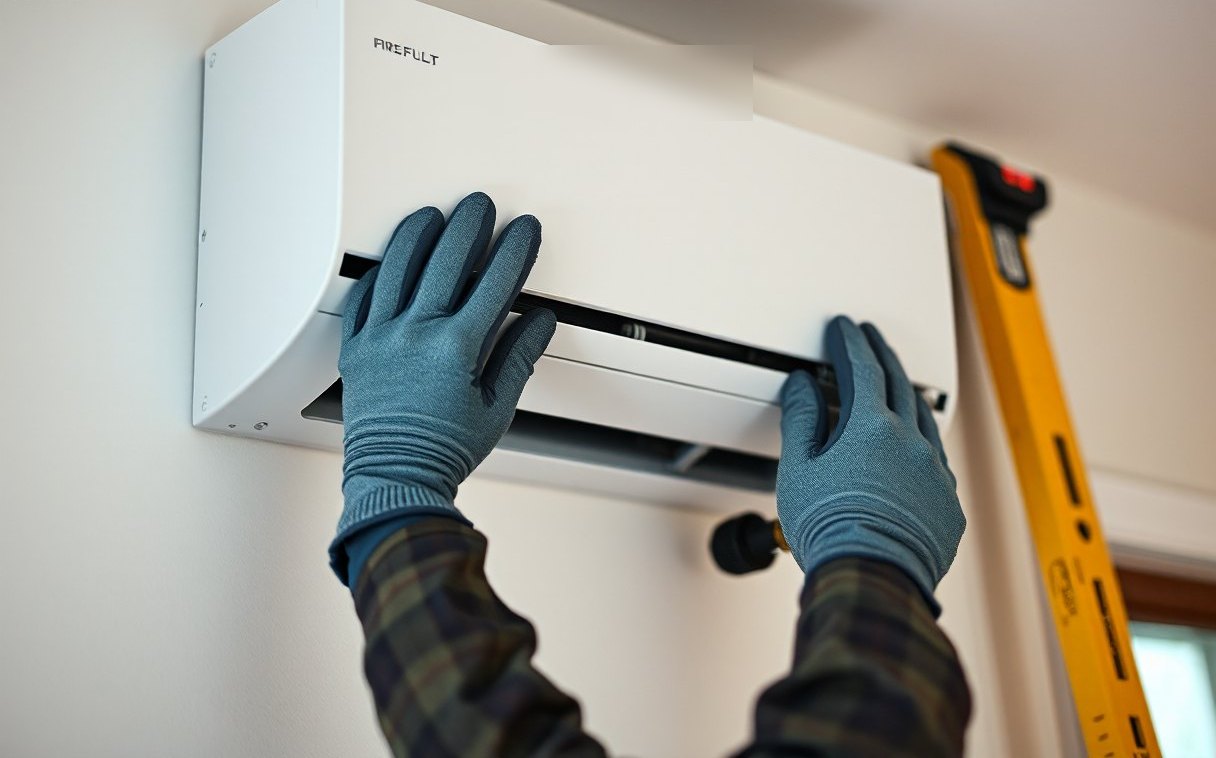
Three reasons, none of them magic. We install mini splits all day instead of splitting time across furnaces, plumbing, and duct jobs, so a single-zone install takes us about two hours. We do not run a fleet of salespeople whose commissions live inside your quote. And a standard single-zone install is a genuinely contained job: one wall mount, one line set, one connection. That is why our quotes routinely surprise people who priced the same job with a generalist. Where the price grows is added zones, long line runs, and electrical work, and you will know those numbers before we schedule.
What changes the price
| Factor | Typical impact |
|---|---|
| Bigger rooms (higher BTU) | 12k to 24k BTU steps add roughly $800 to $2,400 installed |
| Line set longer than standard | Roughly $10 to $20 per extra foot |
| Dedicated circuit / electrical | Roughly $200 to $800 depending on panel |
| Ceiling cassette instead of wall mount | Adds roughly $800 or more per unit |
| Premium brand tier | Mitsubishi and Daikin run $1,000+ above value brands |
| Cold-climate rated unit | Adds roughly $1,400 to $2,300, worth it for primary heat |
Ranges compiled from 2026 national pricing guides. Your quote itemizes anything that applies before work is scheduled.
What size do you need? Kansas math included.
The rough rule is 25 BTU per square foot, then adjust for Kansas. Wichita's winter design temperature is 8 degrees, so if the mini split is your primary heat, cold-climate sizing typically adds 10 to 20 percent, and rooms with tall ceilings or weak insulation push higher.
| Capacity | Room size | Typical rooms |
|---|---|---|
| 9,000 BTU | Up to ~350 sq ft | Bedroom, office |
| 12,000 BTU | Up to ~550 sq ft | Large bedroom, garage bay |
| 18,000 BTU | Up to ~1,000 sq ft | Living areas, big garages |
| 24,000 BTU | Up to ~1,500 sq ft | Open main floors |
| 36,000 BTU | Up to ~1,700 sq ft | Shops, additions, whole small homes |
Square footage guidance compiled from HVACDirect, Senville, and Filterbuy sizing charts, with cold-climate adjustment per Senville guidance and ACCA design temperature data for Wichita.
Rebates in 2026: what is real and what expired
What Wichita homeowners can actually get right now: Evergy pays a $150 rebate on a heat pump mini split that replaces an existing mini split or is added to a home with electric heating, per Evergy's official 2026 Kansas rebate chart. Equipment must be AHRI-certified, and the program runs through 2027. Kansas also has a federally funded home rebate program in the pipeline that has not launched yet; when it goes live for income-qualified households, we will update this page.
What it costs to run
This is where mini splits quietly win. A single zone typically runs $30 to $60 a month in electricity, versus $100 to $200 a month for whole-home central air. Modern units carry SEER2 ratings of 18 to 30 against the 14 to 16 of standard central systems, and because there are no ducts, none of your heating or cooling leaks into the attic. ENERGY STAR puts duct losses at more than 30 percent when ducts run through unconditioned space. Heating a room you are in, instead of pushing air through ducts to the whole house, is simply cheaper physics.